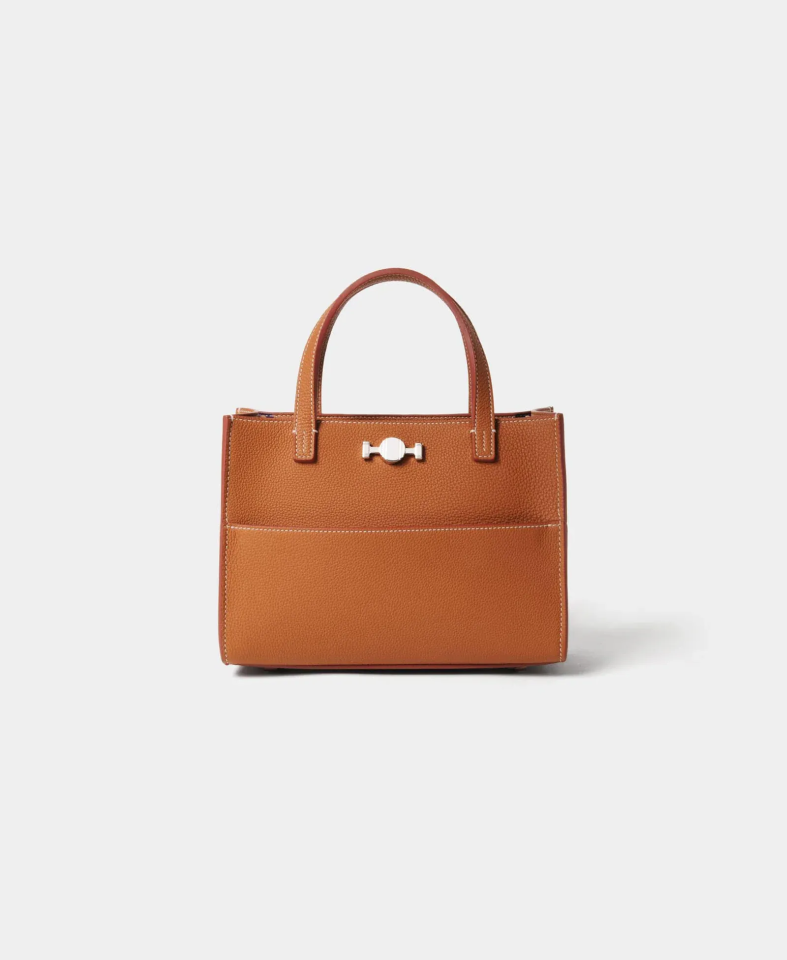
Structured Everyday Tote Bag
Student Name :
Mentor Name :
Company :
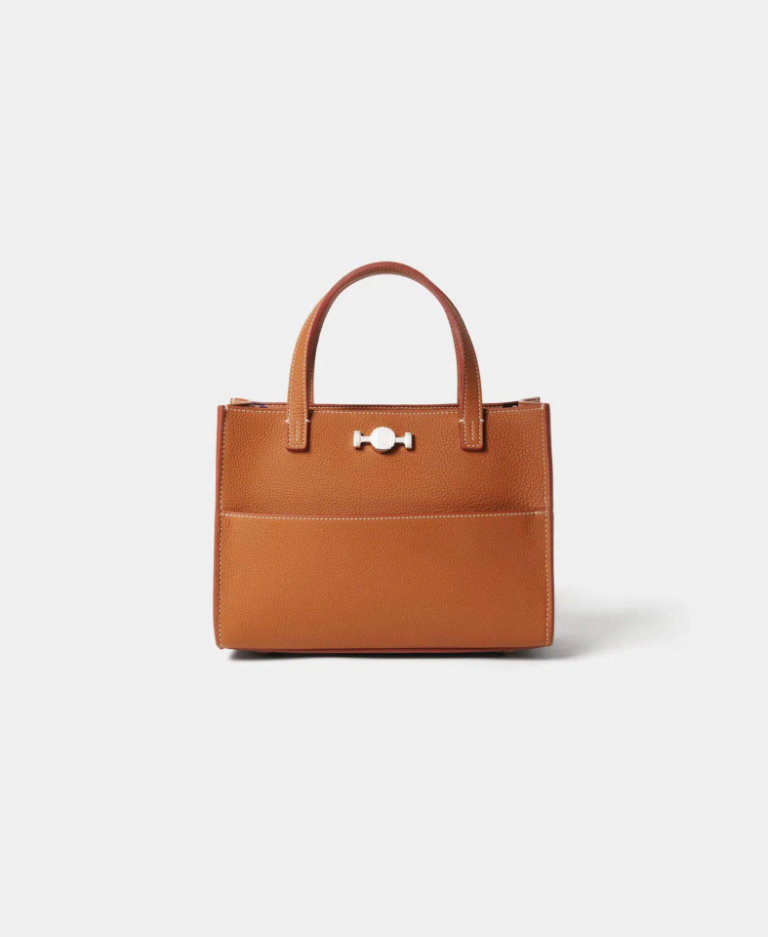
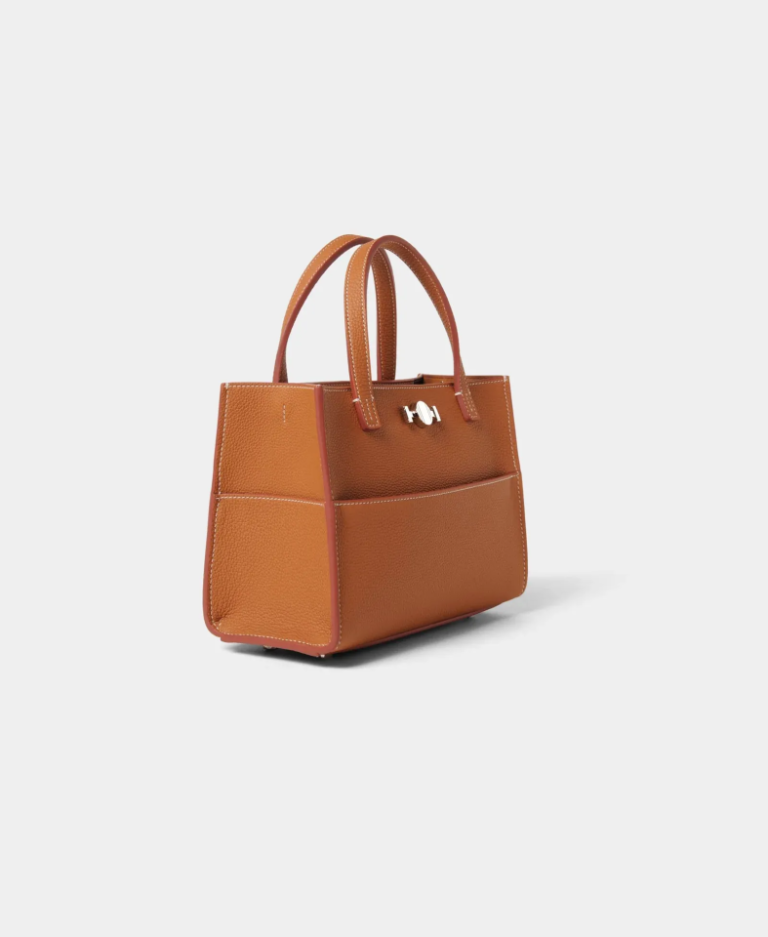

Green Producer Diary
My Motivation
I wanted to design a bag that people would keep for years, not seasons. I noticed most bags fail not because of style but because they are difficult to repair or made from layered synthetic materials. Sustainability matters to me because design decisions made on paper determine environmental impact long before production begins. If we design durability and repairability from the start, waste almost disappears. My goal was to prove that elegance and responsibility can coexist.My Vetrine Journey
In the first month I researched why handbags are discarded and found that mixed materials prevent recycling. During months two and three I experimented with fewer components and developed a structure that could stand without plastic reinforcement. Around month four I struggled to find leather that was both traceable and chrome-free, so I contacted smaller tanneries instead of large suppliers. By month five I redesigned the lining to be removable, which solved both cleaning and recycling issues.
The biggest challenge was balancing durability with disassembly — strong stitching usually means permanent construction. I solved this by combining reinforced seams with accessible repair points instead of glue. During month six I prototyped handles that could be replaced without damaging the body. Month seven focused on testing: abrasion, weight, and daily use simulations. In the final month I simplified the hardware to reduce material types and documented every step for transparency.
Sustainability in Action
How did you consider and implement the following aspects in your product development?
Sustainability Aspect | My Actions |
Environmental | Used chrome-free leather, removable recycled lining, minimized glue, reduced material types to improve recyclability |
Social | Collaborated with small European workshops, ensured traceable suppliers, maintained direct communication with makers |
Financial | [Designed for long lifespan and repairability, modular parts reduce replacement cost, efficient cutting patterns reduced material waste |
A Message to Consumers
This bag is not sustainable because of a single material — it is sustainable because every decision was made to extend its life. You can repair it, clean it, and eventually separate its parts. When you choose it, you support a slower way of producing fashion.
A Message to Future Learners
Start with the end of life, not the aesthetics. If you design how a product will be repaired and disassembled, sustainability becomes natural. Don’t aim for perfection — aim for improvement at every prototype.
Product Details
Product Name
Structured Everyday Tote Bag
Reference / SKU
STB-24-CML-01
Color
Camel Brown
Size
28 cm (H) × 32 cm (W) × 12 cm (D)
Weight
820 g
Quantity (if multi-pack)
Single item
Materials Information
Composition
- Outer shell: 82% bovine leather
- Inner lining: 100% recycled polyester
- Thread: polyester
- Hardware: zinc alloy (nickel-free coating)
- Adhesives: water-based polyurethane
% Recycled Materials
18% total product weight
Traceable assets (materials origin IDs, fibers batches)
- Leather batch ID: LEA-IT-0923-4581
- Lining fiber batch: RPET-ES-2310-8842
- Hardware alloy batch: ZN-PL-7719

Manufacturing & Supply Chain
1
Location
Volos, Greece
2
Date
March 2026
3
Type of processes
- Mechanical cutting (CNC knife)
- Edge painting (water-based)
- Stitch assembly
- Manual finishing
- Quality inspection
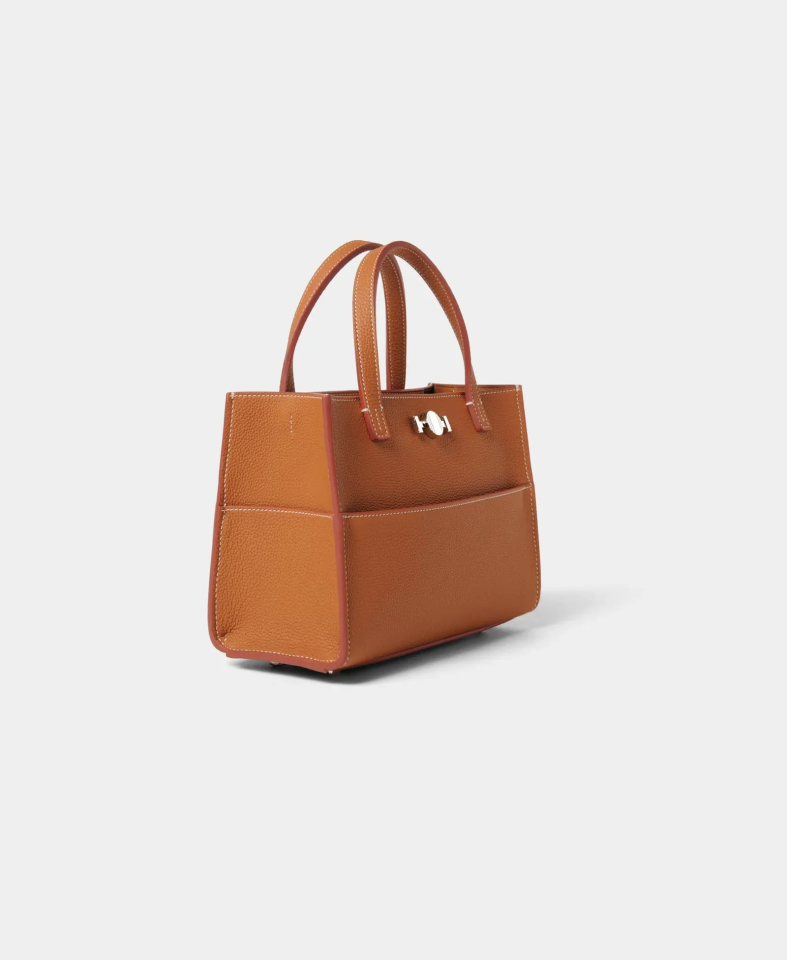
supply chain map
Tier 4Raw material
- Cattle farming — Spain (Galicia region)
- Recycled PET sourcing — Post-consumer bottles (Spain)
Tier 3Material processing
- Tannery — Italy (Santa Croce sull’Arno)
Processes: chrome-free tanning, vegetable finishing - Polyester recycling plant — Valencia, Spain
- Tannery — Italy (Santa Croce sull’Arno)
Tier 2Component manufacturing
- Leather cutting & preparation — Portugal (Braga)
- Metal hardware casting — Poland (Łódź)
Tier 1Final assembly
- Bag manufacturing factory — Greece (Thessaloniki)
Environmental & Social Impact
Reusable components: 3 (hardware removable)
Recyclability: 64% (material separation possible)
Average manufacturing time: 2.4 hours/unit
Living wage compliance: verified
Care, Repair & Lifetime Extension
1
Care Instructions
- Clean with damp cloth only
- Apply neutral leather conditioner every 6 months
- Avoid prolonged sun exposure
- Do not machine wash
2
Repair Information
- Handle replacement: possible
- Stitch repair: standard leather service
- Hardware replacement: modular screws
- Expected lifetime: 6–10 years with normal use
- Repair difficulty: Medium